
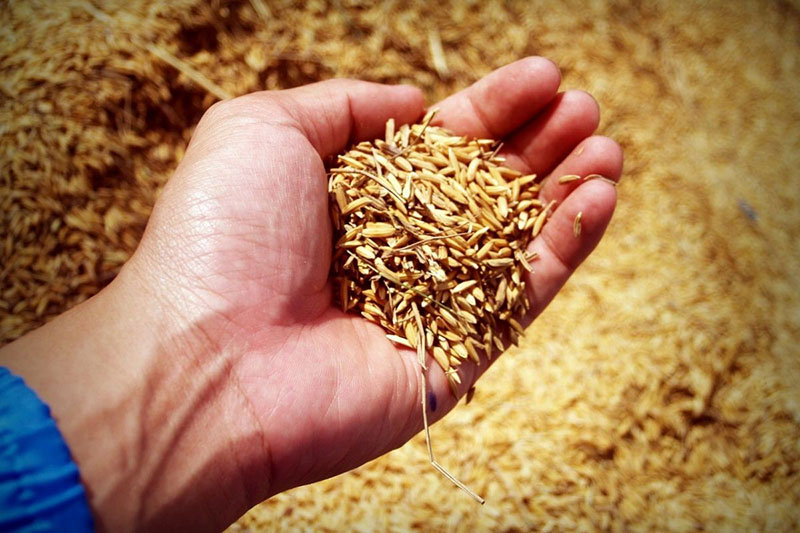
The use of cereals for food is projected to grow (Photo: CC0)
Productivity growth in agriculture is expected to stay ahead of food demand over the coming decade, but new uncertainties are emerging on top of the usual risks facing agriculture. This is the key message of the OECD-FAO Agricultural Outlook 2019-2028, which was released on Monday in Rome.
The annual report by the Organisation for Economic Co-operation and Development and the UN Food and Agriculture Organization (FAO) provides ten-year projections for all major agricultural commodities, as well as for biofuels and fish. Global demand for agricultural products is expected to grow by 15% over the coming decade. “The way in which this demand is met will determine the sector’s impact on the natural resource base, notably land, water, and biodiversity,” FAO Director-General José Graziano da Silva and OECD Secretary-General Angel Gurría write in the Foreword to the report.
Much of the additional food demand over the next decade will originate in regions with high population growth, in particular Sub-Saharan Africa, South Asia, and the Middle East and North Africa,” according to the Executive Summary of the report. The use of cereals for food is projected to grow by about 150 million tonnes over the outlook period – amounting to a 13% increase, with rice and wheat accounting for the bulk of the expansion.
Agricultural production is expected to grow by 15% over the coming decade. For nearly all commodities covered in the report, real prices are projected to remain at or below current levels, as productivity improvements continue to outpace demand growth.
The Outlook foresees that yield improvements and higher production intensity, driven by technological innovation, will result in higher output even as global agricultural land use remains broadly constant. “Rising food production also comes with higher greenhouse gas emissions, with nearly one quarter of all emissions coming from agriculture, forestry and land use change,” Graziano da Silva and Gurría add.
World agricultural markets will face a range of new uncertainties that add to the traditionally high risks facing agriculture. On the supply side, these include the spread of diseases such as African Swine Fever, growing resistance to antimicrobial substances, regulatory responses to new plant breeding techniques and increasingly extreme climatic events. On the demand side, they include evolving diets, reflecting perceptions with respect to health and sustainability issues, and policy responses to alarming trends in obesity.